Canada’s Grocery Rebate Framework has received major updates for January 2026. The Canada Revenue Agency has published a new payment list & modified the qualification requirements to assist low-income and modest-income households struggling with persistent high food costs. This program operates through the current GST/HST credit system and delivers funds directly to eligible Canadians without requiring a separate application. The updates respond to present economic difficulties and support families in purchasing groceries during the holiday period. The January 2026 payments will arrive through direct deposit or cheque. The funds are designed to cover essential food items such as dairy products and bread and fresh produce. These products have seen ongoing price increases according to recent food price reports. Over 11 million households are projected to receive payments. The payment amount for each household varies based on family size & income reported on 2024 tax returns. The revised program simplifies benefit access & covers more seniors and families than the previous version.

CRA Grocery Rebate Revamp: What’s New for January 2026
The CRA grocery rebate update for January 2026 brings a simpler system that connects eligibility straight to people who receive GST/HST credits. This means most Canadians no longer need to fill out extra forms or submit additional paperwork. The new structure includes adjustments based on inflation that raise typical payments by 5 to 10 percent to match food prices in January 2026. The government plans to send payments in mid-January to help families cover holiday groceries and winter necessities during their busiest spending period. The CRA My Account system handles automatic assessments using information from 2024 tax returns to speed up processing times. Some provinces like Ontario combine federal rebates with their own additional payments to cut down waiting periods and deliver 90 percent of payments to people within just a few days.

January 2026 CRA Grocery Rebate Payment Schedule
The CRA payment schedule for January 2026 shows exactly when grocery rebates will arrive. The program combines single payments with quarterly credits to give steady support. Canadians who use direct deposit get their money on the scheduled date. Those who receive cheques need to wait for regular mail delivery. This organized calendar helps families budget their spending better during the holidays and makes sure money comes when grocery costs are usually highest.

| Benefit Type | Scheduled Release Date | Who Qualifies | Estimated Amount |
|---|---|---|---|
| Essential Grocery Credit | 15 January 2026 | Individuals and couples with low income | $249 to $322 |
| Family and Child Assistance | 15 January 2026 | Households with dependent children | $150 to $300 per child |
| Senior Assistance Payment | 10 January 2026 | Older adults aged 65 years and above | Up to an extra $100 |
| Combined GST/HST Credit | 5 January 2026 | All eligible beneficiaries | $200 to $628 (total combined) |
| Additional Provincial Support (e.g., Ontario) | 20 January 2026 | Residents qualifying under provincial programs | $200 for each eligible adult or child |
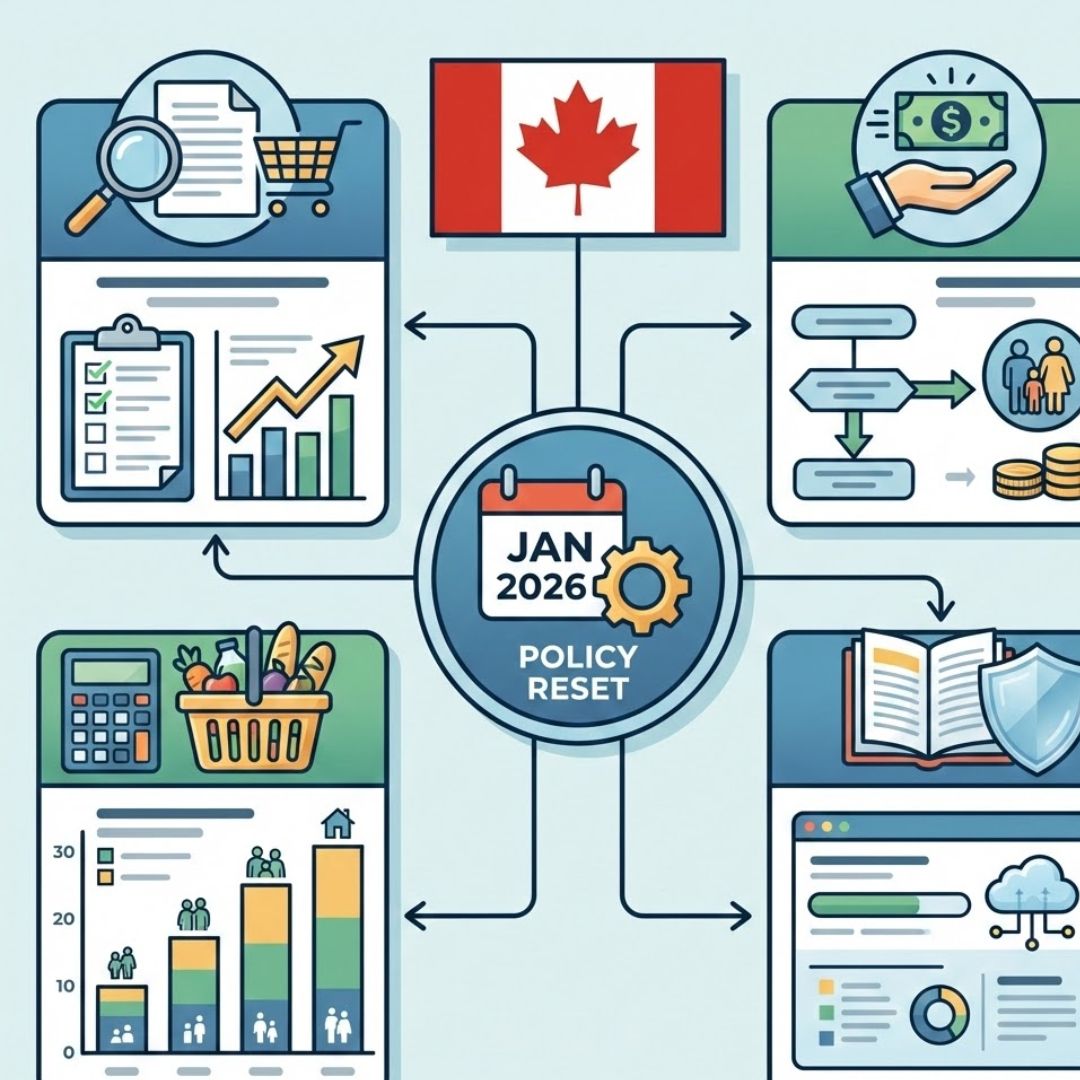
Updated Eligibility Criteria for the January 2026 Grocery Rebate
To receive the January 2026 grocery rebate you need to file your 2024 income tax return before the deadline. Canadian residents who are 19 years old or older will automatically qualify if they already get GST/HST credits without needing to apply separately. Your income level affects how much you receive with the benefit gradually decreasing for single people making up to $50,500 and couples earning up to $60200. Families with children have higher income limits. Permanent residents become eligible once they file their tax return but people who don’t file may not receive the rebate. The CRA verifies information using records from the Canada Child Benefit and Old Age Security programs to make sure everything is correct. If you disagree with a decision you can appeal through your My Account portal.
How the New Grocery Rebate Framework Affects Households
The updated rebate system provides meaningful support by covering around 10 to 15 percent of monthly grocery expenses for qualifying households. Families living in large cities like Toronto and Vancouver gain the most advantage because food prices in these areas stay 3 to 5 percent higher than the national average. A single person making $45000 annually might get a base payment of $249 while couples with no children could receive $322. Families raising two children may collect up to $489 when base amounts are added to supplements. Seniors get an additional payment in early January to help with utility bills and seasonal costs which reduces their need to use food banks during the winter months.

Receiving and Tracking Your CRA Grocery Rebate
The CRA prefers to use direct deposit and sends payments this way to about 90% of people who receive them on time. You can sign up through My Account or by calling them to get your money faster. If you choose to receive a cheque instead it will probably take between 7 and 10 days to arrive. You can check your payment status on the CRA website and the information usually shows up about 24 to 48 hours before they send the money. When the deposit appears in your bank account it will say “CRA Grocery Rebate” or “GSTC-Grocery” so you know what it is. You don’t have to pay tax on this rebate but it might affect how they calculate your credits later on. Make sure you keep your personal information updated with the CRA so your payments continue without problems through 2026.
Provincial Add-Ons to the Grocery Rebate Program
The federal government establishes the basic framework while provinces provide extra support programs. Ontario gives an additional $200 to each adult & child in early January . Quebec offers similar help through QST credits that range from $250 to $500. Alberta and British Columbia combine grocery relief with carbon rebate programs to create payments up to $400 for families. Atlantic provinces concentrate on senior supplements by adding $50 to $100 to help with increased food and heating expenses.

Steps to Prepare for January 2026 Grocery Rebate Payments
Canadians need to file their 2024 tax returns on time because filing late can delay payments or make them ineligible. Setting up direct deposit and checking that information is correct in their CRA My Account will help avoid problems with payments. The CRA offers budgeting tools that let families calculate how much they might receive based on what they got before. Knowing when the mid-January payment arrives helps people plan their holiday grocery shopping. Anyone who doesn’t qualify can look into provincial food programs or get help from community organizations.